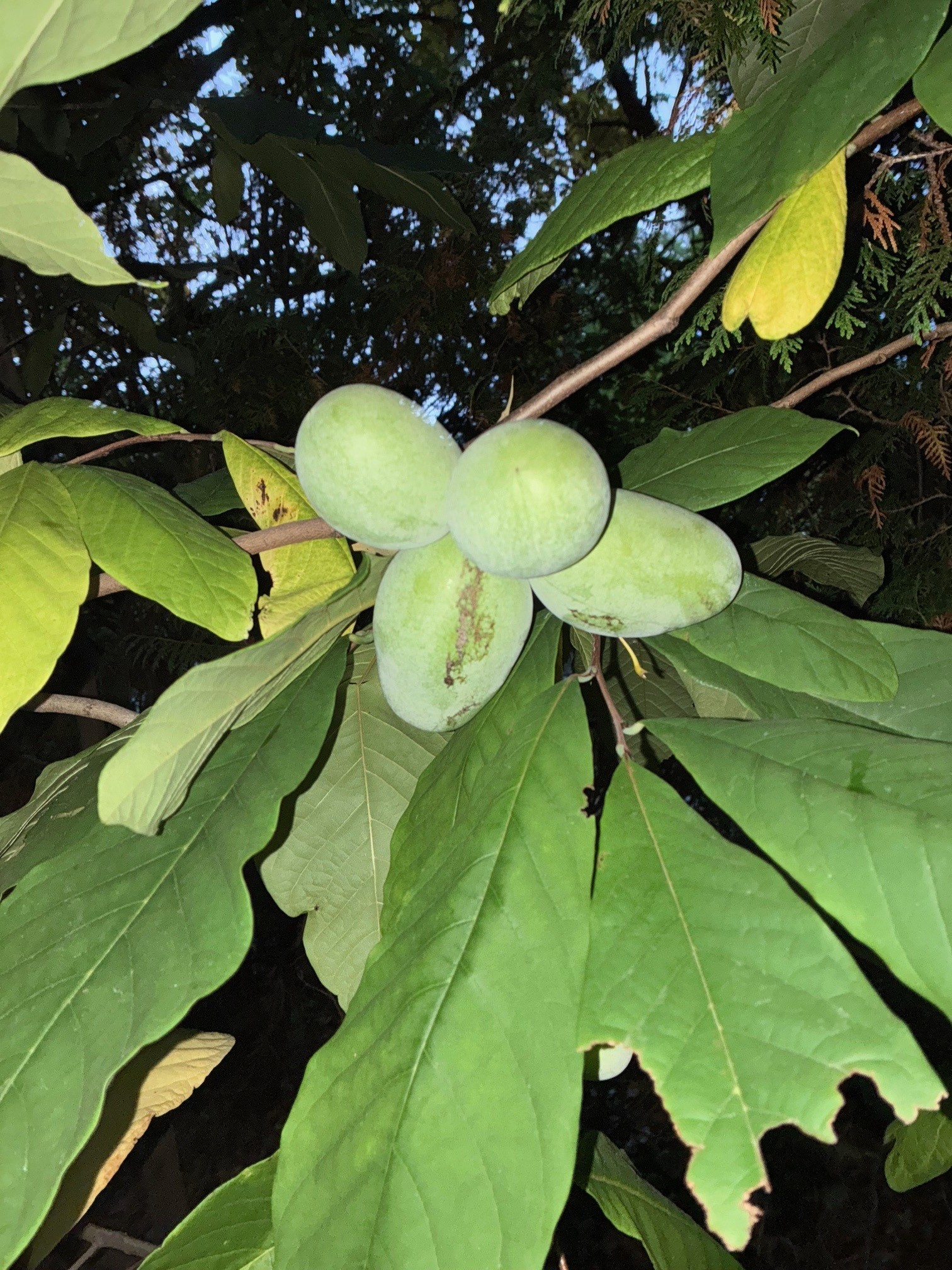
I never set out to become a fruit vendor, but life has a funny way of turning quiet corners into unexpected opportunities. Last year we moved into a new house with a BEAUTIFUL garden. The former owner had planted and grown pawpaw trees in my yard. When I met him, he told me about the fruit from these trees, pawpaws, their creamy texture, tropical flavor, and native roots in the eastern U.S. He even had my try one and it was SOOO yummy: a mis of banana and mango, with the texture of an avocado. Fast forward to now, and those trees have become a small but mighty side hustle.
I´ve learned that pawpaws aren’t your average grocery store fruit. They’re exclusive, delicate, and ripen quickly, too quickly, for mass distribution. But that’s exactly what makes them special. When my trees started producing more fruit than my family could eat, I realized I had something valuable. I posted a listing on Facebook Marketplaces (love this site you will hear about it A LOT!), and the response was immediate: people were thrilled to find fresh pawpaws nearby.
I sold them by the unit, and had customers pre-paying with VEMNO, to have me reserve them pawpaws. Selling pawpaws turned out to be more than a seasonal side hustle, it became a doorway into a fascinating community of curious eaters, hopeful growers, and seasoned farmers. I met local farmers whose own pawpaw trees hadn’t fruited yet, and they were eager to compare notes or buy ripe ones just to see what their trees might one day produce. Others came looking for seeds, determined to start their own backyard grove after tasting the fruit for the first time. Some had only heard whispers of this mysterious “banana-meets-mango” native fruit and wanted to experience it for themselves.
Through these exchanges, I learned so much, not just about the fruit, but about the people drawn to it. I discovered that pawpaw seeds need stratification (a cold period) before planting, and that they don’t transplant easily, so patience and planning are key. I also learned that there are several distinct varieties, each with its own flavor profile and growth habit: Sunflower, Shenandoah, Susquehanna, Allegheny, and Overleese are among the most popular cultivars. Each has its own fan base, and I found myself deep in conversations about texture, sweetness, and tree hardiness. What started as a backyard experiment became a mini crash course in native horticulture and community connection.
The extra income helped cover a well deserved dinner date with my hubby. But more than that, it reminded me that resourcefulness is a muscle I’ve trained well. Whether it’s consulting, hosting, or harvesting fruit, I’ve learned to spot opportunity in the everyday.
So yes, I made some extra cash with my pawpaw trees. But I also made memories, built community, and leaned into the kind of learning that happens when you say yes to nature’s surprises. And that, to me, is the real fruit of the labor.
 Finding Direction in Detours
Leave a comment